Special Consumer Report
Prepared Is Not the Same as Ready.
I had solar panels, a generator, stored fuel, food and water. One storm revealed how many parts of that plan could fail together.
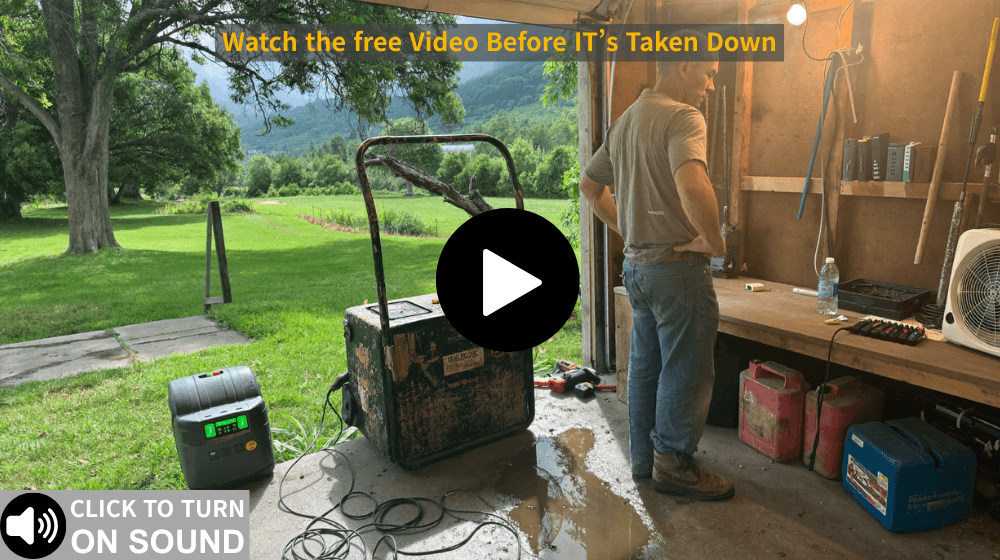
I was not careless. I had spent years preparing for the day the power stayed off longer than expected.
From the outside, my family had more backups than most. But when the storm came, every piece of equipment seemed to depend on something else that was no longer available.
The first blackout exposed my equipment. What frightened me was knowing the second one might expose me.
A Pile of Backups Is Not the Same as Redundancy
A Pile of Backups Is Not the Same as Redundancy
Several backup devices can still become one fragile system when they share the same dependencies.
The solar system depended on the electrical setup around it.
The generator depended on fuel, access and a working starter battery.
Portable power depended on storage that eventually drained.
Communication depended on devices that still needed charging.
I Had Built a Pile of Backups.
I Had Not Built a Plan That Could Lose One and Keep Working.
The Failure Wasn’t That I Had Done Nothing
I had prepared. I had spent the money. I had stored the supplies. I had checked the boxes most preparedness lists told me to check.
The problem was not effort. The problem was buying more equipment without asking what every device still depended on.
“How much more gear do I need?”
“How many ways can this entire plan fail at once?”
The Next Layer Wasn’t Another Machine
It was the practical ability to look at the batteries already around me and answer three questions.

Which Are Finished?
Some batteries are unsafe or permanently damaged and should not be used.
Which Still Have Value?
Some may still contain usable storage after proper evaluation.
What Can They Support?
Capacity must be verified under practical conditions—not assumed from voltage alone.
This Is Not Another “Free Energy” Claim
It is not about powering every appliance indefinitely, and it does not create electricity from nothing.
Recover usable storage where appropriate
Verify what it can realistically support
Combine suitable batteries so one failed unit does not end the entire plan
One Failed Unit Should Not End the Whole Plan
The presentation refers to this broader storage concept as Watt Stacking.
The goal is not to pretend capacity limits do not exist. It is to keep a few important things working when the primary systems do not.
I Had Been Preparing to Own the Right Equipment
I needed to prepare to know what to do without it.
Equipment can be damaged. Fuel can run out. Commercial power stations can drain. But a repeatable skill does not disappear because one device stops working.
Readiness Is Not Having the Most Gear.
It Is Having Fewer Ways for the Whole Plan to Fail at Once.
What Changed the Plan Began With a Dead Battery
The answer did not begin with another generator or a larger solar installation.
It began with an old battery, a set of worn notes and a process for identifying what still had practical value.
Until then, I had thought of batteries as disposable parts inside my equipment. The notes treated usable batteries as the foundation of a more flexible backup plan.
The Short Presentation Explains:
Why several backups may still share one hidden point of failure
How some batteries are discarded before their condition is properly understood
Why voltage alone does not prove usable capacity
How suitable batteries may be organized for selected essential loads
Why the method is about storage and practical skill—not electricity from nothing
See the Battery Method That Changed One Father’s Definition of “Ready”
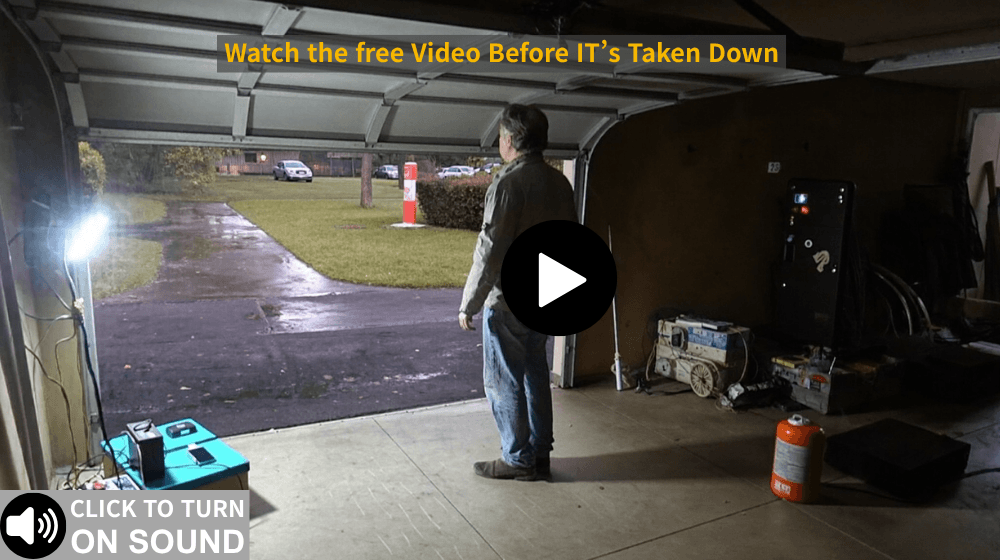
See what may keep working after one part of the original plan fails.
Before the Next Outage Tests the Same Plan Again…
Ask one question: If one part fails, what keeps working?
The answer may begin with understanding the storage already around you and learning how to use it more intelligently.
Copyright © 2026 All Rights Reserved.
This site is not a part of the Facebook website or Facebook Inc.
Additionally, this site is NOT endorsed by Facebook in any way.
FACEBOOK is a trademark of FACEBOOK, Inc.
Create Your Free Account